


Team Tuesday: When the Season Doesn’t Go Your Way — How to Overcome Frustration and Finish Strong

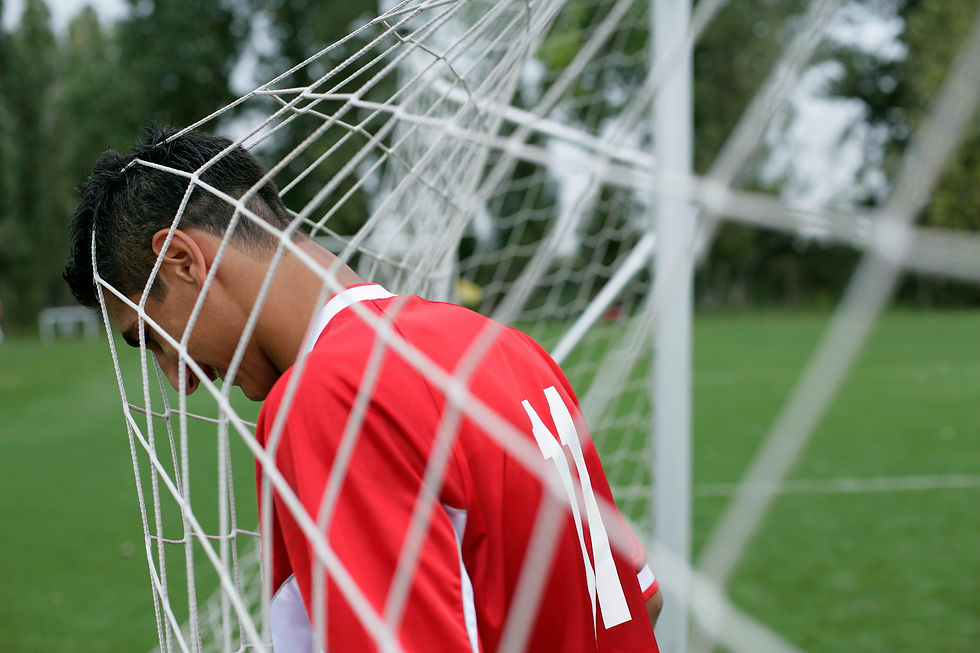
You had a vision. You trained hard, set goals, built chemistry, dreamed big. But now the season hasn’t played out the way you hoped. Injuries hit. Key plays slipped away. The energy shifted. And now, somewhere between disappointment and determination, you’re left wondering:
What now?
This is the moment every team eventually faces — when reality doesn’t match the dream. But how you respond now defines who you really are. Because greatness isn’t only about winning seasons; it’s about how you handle the ones that don’t go as planned.
Step One: Admit It — This Hurts
When expectations crash into reality, frustration is inevitable. Pretending you’re fine only buries the problem deeper.
“Frustration arises when the path toward your goal is blocked.” — Dr. Jim Taylor, sports psychologist
Whether you’re an athlete, coach, or teammate, it’s okay to admit you’re upset. You wanted more. You expected better. Naming that frustration doesn’t make you weak — it makes you honest.
In fact, open teams perform better in the long run. Create space to talk about it:
Ask, “How’s everyone really doing?”
Normalize the idea that disappointment is part of competition.
Model emotional honesty instead of toxic positivity.
Acknowledging the frustration is the first step toward moving through it.
Step Two: Recalibrate Expectations (Without Giving Up)
A rough season doesn’t mean it’s over — it just means the goals need to evolve. Recalibration is not the same as lowering your standards. It’s shifting focus from outcomes to process.
“Don’t lower your expectations to meet your performance. Raise your level of performance to meet your expectations.” — Ralph Marston
That means:
Double down on controllables — effort, discipline, communication.
Redefine success: improvement, consistency, or better execution.
Celebrate small wins that show growth.
Even if the scoreboard doesn’t show it, every moment of adversity builds a foundation for the next season — and the next version of you.
Step Three: Choose Mental Toughness — Compete Anyway
Mental toughness isn’t about never feeling doubt or frustration. It’s about competing through those feelings.
“If it doesn’t challenge you, it won’t change you.” — Fred Devito
Athletes and coaches often describe mental toughness as staying engaged even when the outcome is uncertain. You show up, focus on what’s in front of you, and keep competing — for each other, for pride, for growth.
From a mental skills standpoint:
Stay in the moment. Ask: What’s important now?
Reset quickly. After mistakes, take a breath and refocus.
Use your routines. Visualize, use cue words, ground yourself.
Mental skills coach Graham Betchart calls it “Play Present” — the art of focusing only on what you can control right now. When the big goals slip away, this mindset becomes your anchor.
Step Four: Build an Emotional Game Plan
Frustration will show up again — guaranteed. The key is to prepare for it instead of reacting to it.
Try this exercise with your team:
List common triggers (bad calls, sloppy errors, losing streaks).
Write down your recovery response (breathe, positive cue, quick reset).
Practice it. Make it automatic.
When a team learns to respond, not react, they control their energy and keep momentum alive.
“Mental toughness is the ability to compete fully in all situations … even when your team has already been eliminated.” — Sports Psychology Today
That’s how legacies are built — not from perfect seasons, but from relentless consistency.
Step Five: Use the Support Around You
Even the strongest athletes need support. That might mean a teammate check-in, a coach’s encouragement, or a session with a sport psychologist.
Mental health is part of athletic performance. A disappointing season can trigger self-doubt, burnout, and even identity struggles. Talking about it helps.
“The glory is being happy. The glory is not winning here… The glory is enjoying practicing, enjoying every day, enjoying to work hard.” — Rafael Nadal
Coaches: bring in professionals or mentors who can speak to mental resilience.
Players: don’t isolate. Lean on your circle — they get it.
Step Six: Redefine What “Finishing Strong” Really Means
Finishing strong isn’t just about winning your final games. It’s about how you carry yourself to the end.
Maybe “finishing strong” means:
Competing with full energy even when standings don’t matter.
Showing younger players how to handle adversity.
Playing for the love of the sport again.
Finding joy in the grind, not just the result.
“Don’t get bitter, get better.” — Tiger Woods
Because in the long run, how you handle the tough seasons determines your culture, your character, and your comeback.
Step Seven: Carry the Lessons Forward
Every great team — at every level — has had a “down” season. What separates the good from the great is reflection and response.
At the end of this year, ask:
What did we learn about ourselves?
How did we grow as teammates?
What will we do differently next season?
The answers to those questions become your blueprint. Every frustration can feed your evolution — if you let it.
Final Thought
Every team wants the highlight reel. But the real story of a season — the part that lasts — is written in the moments when things didn’t go to plan.
So when your season disappoints, remember this: how you finish says more than how you started.
Your effort, attitude, and resilience are what people remember — and what you’ll carry into everything that comes next.
Stay the course. Stay connected. And finish strong.


Comments